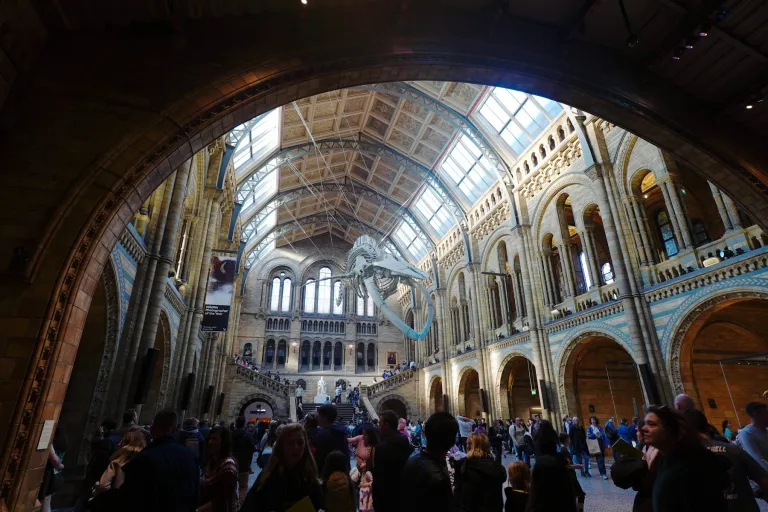

Some of the easiest days out from London start at a railway station. Within roughly an hour or two you can be on a pier in Brighton, walking the clifftops of the Seven Sisters or wandering between Oxford colleges, and be home in time for dinner.
This guide covers eight day trips from London that work well by train. For each one you’ll find the London station to use, a realistic idea of journey time, what the place is good for and how to get around when you arrive. Fares and timetables change often, so we’ve kept prices general and pointed you to the official sources to check before you travel.
Day trips from London by train at a glance
Journey times below are approximate fastest times on direct or simple routes, checked against operator and tourism-board information in October 2026. Many services take longer, and weekend engineering works can add time, so always check your exact train on National Rail before you go.
| Destination | London station | Fastest journey (approx.) |
|---|---|---|
| Brighton | Victoria (also London Bridge and St Pancras) | About 1 hour |
| Oxford | Paddington (also Marylebone) | About 1 hour |
| Cambridge | King’s Cross (also Liverpool Street) | About 50 minutes |
| Seven Sisters | Victoria, to Seaford or Eastbourne, then bus or walk | About 1½ hours to the coast |
| Windsor | Paddington (change at Slough) or Waterloo | About 35 minutes via Slough, depending on connections; about 55 minutes direct from Waterloo |
| Bath | Paddington | About 1 hour 20 minutes |
| Canterbury | St Pancras (high-speed to Canterbury West) | Under 1 hour |
| Cotswolds | Paddington, to Moreton-in-Marsh | About 1½ hours |
Eight day trips from London that work well by train
1. Brighton: the easy seaside day out
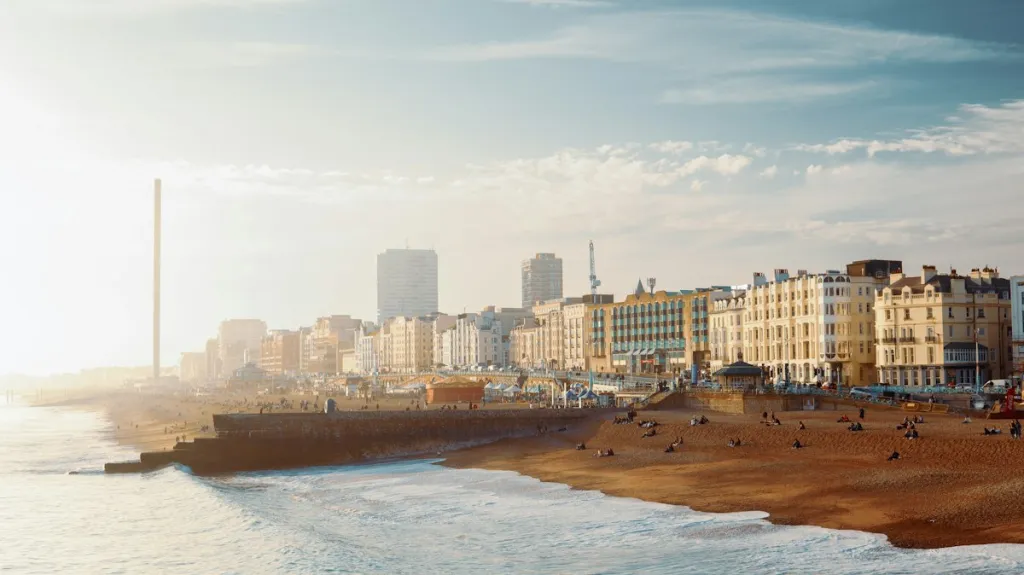
Good for: the seafront, the Royal Pavilion, browsing the Lanes and eating well.
Brighton is the classic London day trip because it’s frequent, quick and needs almost no planning. The fastest trains run from London Victoria and take about an hour; Thameslink trains from London Bridge, Blackfriars and St Pancras take a little longer but can be more convenient depending on where you start. From Brighton station you can walk down through the North Laine and the Lanes to the seafront, so you don’t need any local transport.
Plan the day: our Brighton day trip guide has a simple walking route, tickets and rainy-day backups.
2. Oxford: colleges, libraries and museums
Good for: architecture, museums and walking around a compact historic centre.
The quickest trains to Oxford leave from London Paddington; GWR gives the journey as around an hour. There’s also a route from London Marylebone, which Chiltern Railways lists as under an hour and which can be a useful alternative if it’s closer to you or if one line has engineering works. Oxford station is a short walk from the city centre, where the Radcliffe Camera, the Bodleian Library and the colleges are all close together. Many colleges limit visitor access or charge entry, so check individual college websites before you go.
Plan the day: our Oxford day trip guide has a simple walking route, free museums and what to book ahead.
3. Cambridge: the Backs and the River Cam
Good for: riverside walks, college architecture and punting.
Cambridge is one of the quickest trips on this list. The fastest trains run non-stop from London King’s Cross and take about 50 minutes; slower services also run from King’s Cross and from Liverpool Street. Cambridge station is some distance from the historic centre, so allow time for the walk or take a local bus. Once there, the Backs (the riverside lawns behind several colleges) and the River Cam are the heart of a first visit.
Plan the day: our Cambridge day trip guide covers getting from the station to the centre, free museums and punting.
4. Seven Sisters: a clifftop walk on the Sussex coast
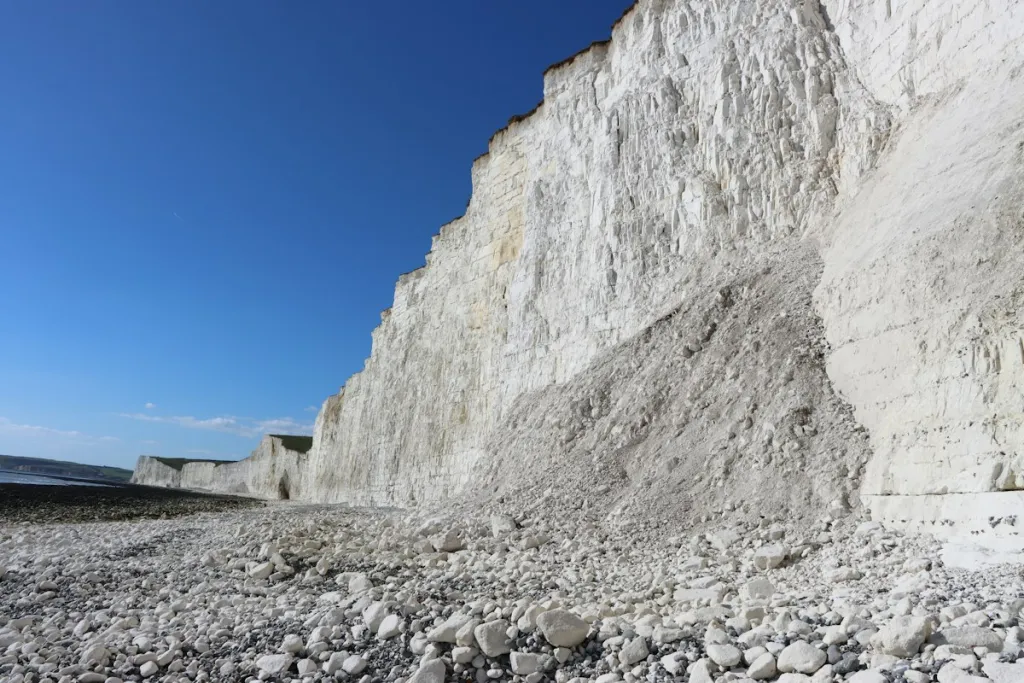
Good for: a proper coastal walk with big views.
The Seven Sisters are a line of chalk cliffs between Seaford and Eastbourne in the South Downs National Park. There’s no station at the cliffs themselves, but this is still an easy car-free trip: take a train from London Victoria to Seaford (changing at Lewes) or direct to Eastbourne, then use the Coaster buses (routes 12, 12A and 12X). The Seven Sisters Country Park recommends them, says they connect with the mainline stations at Seaford, Brighton and Eastbourne, and says all of them stop at its visitor centre. The park puts the walk from Seaford station at about an hour. Wear proper shoes, check the weather and read the park’s cliff safety advice before you go; keep well back from the cliff edges.
Plan the day: our Seven Sisters walk guide has the train and bus routes, three ways to do the walk and the tide and cliff safety advice.
5. Windsor: castle, river and Eton
Good for: Windsor Castle, a riverside walk and crossing the bridge to Eton.
Windsor has two stations, both a few minutes’ walk from the castle. According to Visit Windsor, trains from London Paddington reach Windsor & Eton Central in around 35 minutes with a change at Slough, depending on connections, while direct trains from London Waterloo reach Windsor & Eton Riverside in about 55 minutes. The Elizabeth line also runs to Windsor & Eton Central via Slough. You can arrive at one station and leave from the other.
Plan the day: our Windsor day trip guide covers which days the castle is open, the trains and a simple plan for the day.
6. Bath: Roman history and Georgian streets

Good for: the Roman Baths, Bath Abbey and the city’s Georgian architecture.
Bath is one of the longer trips here, at around 1 hour 20 minutes on direct trains from London Paddington according to GWR, but it’s worth it for a full day. Bath Spa station is on the edge of the centre, so the Roman Baths and the Abbey are a short walk away. Popular attractions can be busy at weekends and in the school holidays, so it’s worth checking booking options in advance.
Plan the day: our Bath day trip guide covers booking the Roman Baths, the trains and a walkable plan for the day.
7. Canterbury: cathedral city in under an hour
Good for: Canterbury Cathedral and a walkable medieval centre.
High-speed trains from London St Pancras International run to Canterbury West in under an hour (from 54 minutes), which makes Canterbury one of the quickest historic cities to reach from London. Slower trains also run to Canterbury East from other London stations. Both stations are within walking distance of the centre and the cathedral, which is part of a UNESCO World Heritage Site.
Plan the day: our Canterbury day trip guide covers the trains, cathedral opening details and a walkable plan for the day.
8. The Cotswolds: villages and countryside
Good for: stone villages, gentle countryside walks and pub lunches.
The Cotswolds covers a large area, so the trick to a car-free day is picking one base. The fastest direct trains from London Paddington reach Moreton-in-Marsh, on the Cotswold Line, in about an hour and a half, also calling at stations such as Charlbury and Kingham. Not every train is direct, so check the timetable and plan your return before you set off. Moreton-in-Marsh is a market town you can explore on foot; reaching other villages usually means a local bus, a taxi or a longer walk, and rural bus services can be infrequent, so check times before you go. If you want to see several villages, the Cotswolds also works well as a weekend away rather than a single day.
Plan the weekend: our Cotswolds weekend guide covers a car-free base, the bus links and the limits of rural transport.
How to choose your day trip
- Short on time: Windsor, Cambridge, Oxford and Canterbury all have trains of under an hour at their quickest, and Brighton is only a few minutes behind.
- Seaside: Brighton for a town break by the sea; the Seven Sisters for a walk.
- History and architecture: Oxford, Bath and Canterbury.
- Countryside: the Seven Sisters and the Cotswolds, ideally on a dry day with good shoes.
- Least planning needed: Brighton, Windsor and Bath, where the station is close to the main sights.
Tickets: how to pay less for a day trip
Train fares in Britain vary a lot depending on when you travel and how you book. A few things make a real difference:
- Travel off-peak. Off-Peak and Super Off-Peak tickets are usually much cheaper than Anytime fares. Peak times vary by route, so check the ticket’s validity before you buy.
- Compare Advance tickets. Advance tickets can be cheaper on some routes, but they’re usually only valid on the specific train you book.
- Use a railcard if you have one. The Network Railcard gives a third off most Standard fares for journeys within its London and South East area. You can use it any time at weekends and on public holidays, but only from 10am on weekdays, and a minimum fare applies on weekdays. Check the area map before you buy, because the card only works for travel inside it. The Two Together Railcard gives two named adults travelling together a third off most fares after 9.30am on weekdays and at any time at weekends and on public holidays. See National Rail’s railcards page for the full list, and check each card’s conditions before you buy.
Planning tips before you go
- Check engineering works. Weekend and bank holiday works can mean rail replacement buses or diversions. Check National Rail a few days ahead and again on the day.
- Confirm your London station. Several destinations are served from more than one London terminal, and the quickest one depends on where you’re starting.
- Start early. An earlier train gives you more daylight, especially from October to March.
- Know your last train back. Check the last direct service before you set off, particularly on Sundays.
Day trips from London by train: quick answers
What is the quickest day trip from London by train?
Of the places in this guide, Windsor (via Slough from Paddington) is the quickest on paper, followed by Cambridge (from King’s Cross), Oxford (from Paddington) and Canterbury (from St Pancras), which each have trains of under an hour at their quickest. Brighton is about an hour from Victoria.
Can you visit the Seven Sisters without a car?
Yes. Take the train to Seaford or Eastbourne, or to Brighton, and use the Coaster buses along the coast road, which stop at the Seven Sisters Country Park visitor centre.
Which day trips are best when the weather is bad?
Cities with plenty to see indoors work best: Oxford, Bath and Canterbury all have major museums, historic buildings or a cathedral in their compact centres. Save the Seven Sisters and the Cotswolds for a dry day.
Once you’ve picked a place, check live times on the operator’s website or National Rail, and book Advance tickets if you know which train you want.